18 November 2026
Dartmoor Camping in Winter: Cold-Weather Pitching Done Right
Dartmoor Camping in Winter: Cold-Weather Pitching Done Right
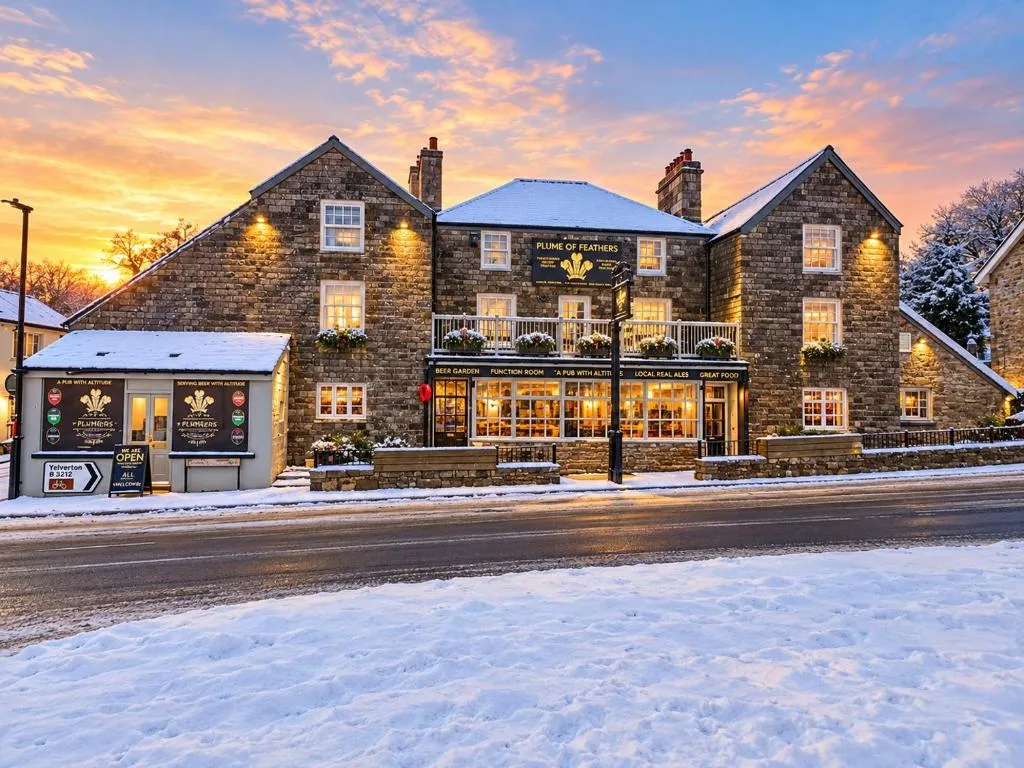
Yes, you can go Dartmoor camping in winter, provided you choose a proper campsite, pitch somewhere sheltered and prepare for wet and wind as carefully as you prepare for the cold. At The Plume of Feathers in Princetown, our pitches are behind the pub, with hot food and a warm welcome waiting when you come in off the moor.
Winter camping is not for everyone. But with sensible planning, it can be a quieter way to see Dartmoor. And if sleeping under canvas stops sounding appealing, you can choose a campervan pitch or a bunkhouse bed instead.
Dartmoor camping in winter: start with shelter
On high, open ground, wind and rain can make a night feel harder than the thermometer suggests. Pick a sheltered, lower spot where you can, and avoid pitching in a hollow where water may collect. Check the ground before you put the tent up: firm, reasonably level grass is kinder to you and your kit than a wet, boggy patch.
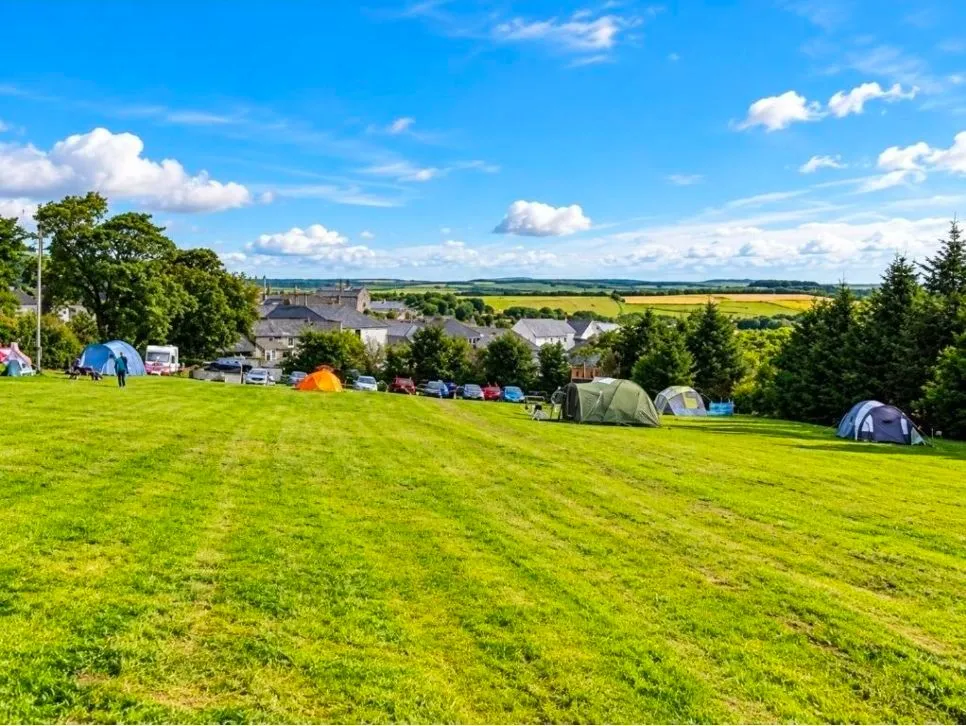
That is one reason a campsite behind a building can be a more comfortable base than an exposed position on the moor when the weather turns. Our campsite is right behind the pub, with room for up to 75 grass pitches and space for campervans and motorhomes. We can’t promise what the ground or weather will be like when you arrive, so call or check before travelling to confirm the pitches are open and what’s running.
If you’re new to winter camping, take a look at the Dartmoor National Park winter guidelines and its outdoor safety advice before setting out.
Arrive with daylight to spare
Winter days are short, and putting up a tent in fading light is an avoidable faff. Plan to reach your pitch with enough time to park, check the ground, set up and sort your kit before it gets dark. Keep a head torch somewhere easy to reach, rather than buried at the bottom of your bag.
Allow more time than you might in summer for the drive, the walk and getting organised. If you’re leading a DofE group or club trip, agree who is responsible for the route, arrival time and group kit before you travel. A simple plan for what you’ll do if conditions worsen can make a cold day much easier to manage.

Keep damp out of your sleeping kit
A wet outer layer is one thing; a wet sleeping bag is quite another. Keep your sleeping kit packed away until you’re ready to turn in, and use dry bags or separate waterproof stuff sacks to keep spare clothes and sleepwear protected. Take spare socks and a warm change of clothes for the evening.
Condensation can build up inside a tent overnight, especially when the air is cold and damp. Follow your tent’s ventilation advice, and try not to bring wet boots and clothing into the sleeping area. A small cloth can be handy for wiping condensation away in the morning.
Don’t rely on a pub or campsite to dry your equipment. Our pub is a place to come in, warm up with a hot drink or meal, and take a break from the weather; it is not a dedicated drying room. Keep boots and sleeping bags dry as part of your own plan.
Plan your cooking, gas and batteries
Cold weather calls for a little extra thought about cooking. Check that your stove and fuel are suitable for the conditions you expect, and carry enough fuel for your plans. Keep the stove stable and use it in line with its instructions; never cook inside a tent unless the equipment is specifically designed and safe for that use.
There are no electric hook-ups on our camping pitches, so plan your lighting and charging around your own power supply. Bring charged head torches and a power bank if you use one, and keep batteries insulated from the cold where practical. If you’re travelling by campervan or motorhome, check your own battery and heating arrangements before leaving home.
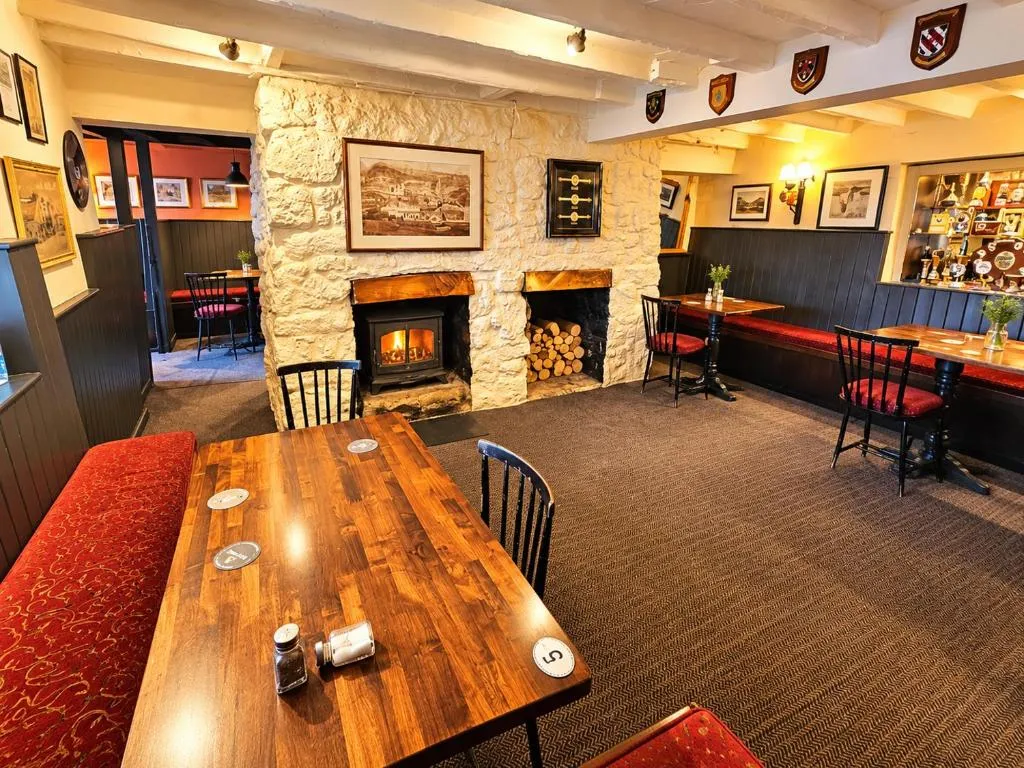
There are no barbecues at the campsite because of the fire risk on Dartmoor. If cooking outdoors isn’t appealing after a wet day, our pub serves food freshly prepared on site using quality local Dartmoor produce where possible. We also serve hot drinks, coffee and cake.
Make the morning easier
Getting out of a warm sleeping bag into cold clothes takes a bit of resolve. Put tomorrow’s clothes somewhere dry and within reach before you turn in, and keep a warm layer handy for the first few minutes. A hot drink and a quick breakfast can help you get moving.
Give yourself time to pack away carefully, especially if the tent is damp. Keep wet gear separate from dry kit on the journey home, and leave enough room in your day for a slower start if the weather or ground makes packing awkward.
For walkers and climbers, check the forecast and conditions before setting out, and be prepared to change your plans. Dartmoor weather can make a familiar outing feel very different. The National Park’s winter guidance is a useful place to review the basics.
A pitch, a campervan or a bunkhouse bed?
Not everyone fancies a night under canvas in winter, and there’s no shame in choosing a warmer or simpler option. We have space for motorhomes and campervans behind the pub, though pitches have no electric hook-ups.
Our bunkhouse is another option for walkers, clubs and groups. There are 40 beds in total: the main bunkhouse is on the first floor of the main building, with 18 beds across four four-person rooms and one two-person room. The secondary bunkhouse has 22 beds in three six-bed rooms and one four-bed room.
Bunkhouse facilities are shared, with ladies’ and gents’ showers and toilets, plus shared kitchen facilities. Access is by stairs only. It is non-smoking, and you’ll need to bring your own bedding, towels and toiletries. Main bunkhouse prices are £15 per bunk bed, £40 for exclusive use of a four-person room and £30 for a two-person room.
You could also split a trip: camp for one night and take a bunkhouse bed the next. Our furnished bell tents are a summer option only, open from 1 April to 30 September, weather permitting.

Know before you go
- Where we are: The Plume of Feathers, Princetown, Yelverton, Devon, PL20 6QQ.
- Call: 01822 890240. Email: info@plumedartmoor.co.uk.
- Opening hours: Closed Monday and Tuesday; Wednesday to Sunday, 11am–11pm.
- Kitchen: Wednesday to Saturday, 12pm–9pm; Sunday, 12pm–7pm. Confirm current kitchen times before travelling.
- Camping: Up to 75 grass pitches, with space for motorhomes and campervans; no electric hook-ups. Communal showers are in a separate block, with a washing-up area and waste disposal point. No barbecues.
- Camping prices: £15 per pitch including one adult (18+); additional adults over 12 are £10; children aged 12 and under are £5. Group rates may be available on enquiry.
Please confirm current prices, facilities, opening times and availability before booking or travelling. In particular, call us or check before you travel to confirm the pitches are open and what’s running.
The Plume of Feathers is a traditional pub in the heart of Dartmoor National Park, in a Grade II listed building dating to 1785 and the oldest building in Princetown. If you’re planning a winter trip, you can visit our website to find out more. Book a pitch or a bunkhouse bed, or call us on 01822 890240 and we’ll help you plan your stay.
Photo credits: snow shower on Dartmoor by Smalljim, CC BY-SA 3.0, via Wikimedia Commons.